
close

January 2026

Event

The Future of Event Management and Planning

The event management industry is moving away from logistical execution toward strategic experience design. The days when an event coordinator simply managed timelines, food vendors, and registration desks are gone. Today, global gatherings, corporate conferences, and local activations function as highly integrated ecosystems where physical design, data security, and specialized technology merge.

Driven by shifting professional expectations, cultural changes, and rapid technological breakthroughs, the future of event planning focuses on deeper engagement, long-term community value, and operational agility. Industry experts are re-engineering the entire lifecycle of gatherings to ensure that events are inclusive, highly efficient, and deeply aligned with the unique goals of every attendee.

The Integration of Advanced Artificial Intelligence Ecosystems

Artificial intelligence has transitioned from a backend tool into a core driver of live and virtual events. Modern planning workflows rely heavily on autonomous software networks to manage administrative tasks, optimize complex speaker logic, and streamline communication pipelines.

The Shift to Autonomous Operational Support

Event professionals use intelligent, task-driven software platforms to minimize daily operational friction. These systems handle tedious processes without requiring constant oversight. For example, modern planning software can autonomously manage complex speaker communications, update scheduling blocks when dynamic conflicts arise, and instantly cross-reference travel itineraries with room capacities. This automation frees up planners to focus entirely on human element curation and creative strategy.

Algorithmic Agenda Customization

Instead of forcing every participant through an identical, rigid presentation track, forward-thinking corporate functions utilize intelligent algorithms to generate personalized attendee pathways. Attendees receive specialized session recommendations and tailored networking itineraries based on their professional profiles, expressed interests, and real-time behavioral data. This targeted curation prevents information overload, helps individuals make meaningful professional connections, and dramatically increases overall event satisfaction.

The Maturity of Hybrid Environments and Immersive Spatial Tech

The initial confusion surrounding remote viewing platforms has evolved into a sophisticated, intentional approach to hybrid engineering. Event designers recognize that remote audiences require distinct, deeply interactive engagement models rather than passive live video broadcasts.

Intentional Dual-Audience Architecture

Modern hybrid events are built with separate, equally valuable strategies for physical and virtual participants. Planners no longer broadcast standard podium feeds into empty web rooms. Instead, they curate specialized experiences, such as digital-only backstage discussions, real-time virtual polling loops, and exclusive digital roundtables that connect remote professionals directly with physical keynote speakers. This intentional design ensures that remote participants remain actively engaged throughout the itinerary.

Spatial Twins and Virtual Onboarding

Before an entry ticket is scanned, digital venue tracking and extended reality solutions transform the onboarding experience. Planners deploy comprehensive spatial digital twins to plan venue layouts, mapping out electrical nodes, walking paths, and stage structures in virtual environments to minimize waste and avoid setup errors. For attendees, virtual reality walkthroughs allow remote delegates to explore complex venue floors, choose specific seminar seats, or interact with physical product displays before arriving on-site.

Elevating Ethical Data Practices and Compliant Technology

As modern operations rely on digital touchpoints for registration, entry, and engagement, managing first-party data securely has become a critical operational requirement. Shifting regulatory standards require transparent collection frameworks and advanced hardware infrastructure.

The Rise of Sovereign First-Party Data Strategy

With the phaseout of standard third-party tracking tools, gathering compliant first-party insights during events is crucial for measuring financial returns. Planners treat registration questionnaires, session attendance scans, live mobile app responses, and exit surveys as core business assets. Modern platforms are built to securely isolate this information, ensuring organizers gather behavioral data without compromising user identity or violating regional privacy laws.

Contactless Access and Encrypted Verification

On-site logistical workflows prioritize security and convenience through advanced contactless verification systems. Radio-frequency identification wristbands, secure digital badges, and consented facial recognition access portals speed up registration queues and eliminate bottleneck delays. These technologies validate session capacity and track general flow metrics in real time while using encrypted networks to protect attendee information from unauthorized access.

Committing to Structural Sustainability and Regional Sourcing

Environmental responsibility has moved from a simple public relations talking point to a baseline requirement for event approval. Modern corporations and consumer groups require planners to present transparent, verifiable plans for reducing waste and minimizing carbon footprints.

Circular Scenery Construction

The traditional method of building massive, single-use wooden stages and printing thousands of physical plastic banners is rapidly disappearing. Event producers prioritize circular design by selecting modular stage structures, rented LED video backdrops, and durable furniture elements that can be reused across different projects. When physical materials are absolutely necessary, teams select non-toxic, easily recyclable substances and plan alternative uses for materials once the event concludes.

Decarbonizing Food Operations and Travel

Food management and physical transportation represent a major percentage of an activation’s carbon footprint. Venue managers handle this challenge by partnering with local farms to reduce transportation emissions, building menus around regional seasonal ingredients, and integrating precise demand-tracking software to prevent food waste. Additionally, organizers lower environmental impact by replacing large international multi-day conferences with smaller, interconnected regional hubs that allow participants to connect locally without requiring long-distance flights.

Prioritizing Holistic Well-Being and Universal Accessibility

Modern experience design shifts away from exhausting, over-scheduled agendas. Planners recognize that cognitive exhaustion reduces focus, which undermines the value of presented material and professional networking.

Strategic Downtime and Sensory Management

The structure of modern corporate conferences includes intentional pauses, longer breaks between sessions, and dedicated wellness areas. Planners avoid launching early morning keynotes immediately after late-night networking banquets, giving participants adequate time to rest and recharge. Furthermore, professional venues integrate designated quiet spaces and sensory relief lounges where attendees can decompress away from loud music, heavy crowds, and intense lighting displays.

Embedding Universal Design Standards

True inclusivity requires structural integration from the beginning of the planning process rather than adding last-minute modifications. Future-proof events include live digital captioning streams for every session, height-adjustable presentation stages, wheelchair-friendly floor layouts, and digital event platforms optimized for screen readers. By designing environments that accommodate individuals with varying physical abilities and sensory needs, organizations build a welcoming atmosphere that enhances community longevity.

Frequently Asked Questions

What specific skills must traditional event planners develop to remain competitive in the future?

Traditional coordinators need to develop expertise in data analytics, digital privacy compliance, and artificial intelligence integration. While foundational human skills like creative problem-solving, negotiation, and live logistics remain essential, future leaders must understand how to interpret behavioral datasets, navigate global privacy laws, and manage complex event management technology platforms.

How do multi-use venue designs impact the overall cost structure for corporate events?

Flexible, multi-use venues allow planners to execute diverse activities within a single rented space, lowering overall venue cost. Instead of booking separate rooms for keynotes, workshops, and evening banquets, organizers can modify modular wall systems and digital lighting displays to transform one room across the day. This flexibility reduces total square footage fees and streamlines labor hours for setup teams.

What is incident management software, and why is it becoming a standard requirement for live events?

Incident management software is a centralized, real-time communications network used by security personnel, venue managers, and planning staff to monitor safety conditions during an event. This tool allows coordinators to log problems instantly, coordinate rapid responses during unexpected medical or environmental emergencies, and securely document details for insurance and regulatory compliance.

How can small independent event creators implement advanced sustainability practices on a limited budget?

Independent creators can drive meaningful sustainability metrics without significant financial investment by eliminating printed signs in favor of existing digital screens, selecting venues powered by renewable energy, and working with local caterers who minimize packaging waste. Choosing central venues that are easily accessible via public transportation also reduces transportation emissions without adding costs.

Why are smaller micro-events growing in popularity compared to massive global industry conventions?

Micro-events emphasize high relevance, deep relationship-building, and direct, action-oriented outcomes over simple audience volume. Large international conventions can leave participants feeling disconnected and overwhelmed, whereas smaller gatherings of selected professionals encourage deeper dialogue, focused learning, and stronger business alignments.

How does behavioral data collection during a live event directly benefit the individual attendee?

When data is gathered ethically and processed in real time, it directly enhances the on-site user experience. The integrated mobile application can detect if a participant consistently attends niche technical sessions, allowing it to send updates about unexpected schedule changes in that track or notify them about local networking meetups centered on that precise topic.

read more
Entertainment

Entertainment Trends That Are Captivating Audiences Worldwide

The global entertainment landscape is undergoing a massive transformation driven by rapid technological integration, shifting consumer habits, and a deep-seated desire for communal experience. Audiences no longer passively consume content through a single medium or device. Instead, they actively participate in fluid, highly interactive ecosystems where boundaries between gaming, cinema, social media, and live performance have blurred entirely. From AI-driven creative workflows to the return of centralized media bundles, the current era of entertainment prioritizes quality engagement, digital community, and streamlined access. Understanding these shifting dynamics offers a clear window into how cultural currency is generated and sustained across the globe.

The Rise of Frictionless Aggregation and Unified Streaming

For years, the streaming model fractured under the weight of excessive platform fragmentation. Consumers found themselves navigating a confusing maze of multiple subscriptions, escalating monthly costs, and fragmented broadcasting rights, particularly in live sports. This fatigue has sparked a powerful counter-trend toward unified aggregation, frequently referred to as frictionless entertainment.

Next-Generation Bundling

Media corporations and digital distributors are systematically redesigning user access around utility and transparency. Instead of forcing users to switch between disparate apps, modern ecosystems are embedding direct-to-consumer streaming services into centralized cable, telecom, and hardware interfaces. This evolution creates a single, coherent entry point where legacy linear television, live sports apps, and premium on-demand catalogs coexist seamlessly. Audiences are actively signaling that they do not necessarily want a higher quantity of content, but rather a better, highly customized mix that is easier to discover.

The Rise of Free Ad-Supported Streaming Television

As subscription price increases test consumer limits, Free Ad-Supported Streaming Television platforms have emerged as a dominant global force. These networks replicate the comforting, lean-back experience of traditional television by offering programmed, themed channels alongside large video-on-demand libraries. By eliminating subscription fees in exchange for targeted, non-intrusive advertisements, these services capture immense viewer minutes from demographics looking to reduce financial friction without sacrificing variety.

Gaming as the Ultimate Social Sandbox

Video games have officially evolved far beyond isolated recreational activities, cementing their position as the premier social infrastructure for younger generations. Digital spaces are now functioning as virtual community centers where global audiences interact, build relationships, and form cultural identities.

Virtual Hanging Out and Interactive Spaces

For Gen Z and Gen Alpha, online multiplayer game worlds and coordinated community servers are the preferred venues for daily socialization. A significant portion of young adults report interacting with their friend groups more frequently within interactive digital environments than in physical spaces. The barrier between communication platforms and gameplay has dissolved, allowing individuals to watch media, listen to music, share content, and converse entirely inside an active gaming session.

The Expansion of Cloud Gaming

The continuous global expansion of high-speed mobile networks and advanced cloud computing has democratized access to high-end gaming. Historically, experiencing visually demanding, complex video games required expensive consoles or specialized computer hardware. Cloud gaming eliminates these hardware barriers by handling intense processing requirements on remote servers and streaming the active game directly to standard mobile smartphones. This technological shift has unlocked vast, previously unreachable consumer segments in emerging economies, transforming global gaming into a universally accessible medium.

The Resurgence of Immersive and Experiential Live Events

Despite the convenience of digital access, the human desire for shared, tangible physical experiences has triggered a spectacular revival in live entertainment. However, modern audiences expect these events to offer high levels of visual spectacle, unique curation, and shareable aesthetic appeal.

Visual Spectacle and Viral Concert Formats

Live performances are increasingly designed with physical aesthetics intended to inspire immediate digital sharing. For example, intimate orchestral showcases performed entirely by candlelight have achieved immense popularity across major international cities. By taking iconic cinematic scores or contemporary pop music catalogs and presenting them in visually striking, ambient settings, organizers attract younger crowds who value both acoustic quality and visual curation.

Interactive and Gamified Physical Venues

The entertainment industry is heavily investing in massive, technologically advanced destination venues that redefine scale and immersion. High-tech spheres and specialized arenas utilize wrapping internal LED screens, spatial audio arrays, and haptic seating to envelop the audience in hyper-realistic environments. These installations turn concerts and cinematic showcases into multi-sensory experiences, blending the boundaries between the physical world and digital design.

Generative Artificial Intelligence as Core Infrastructure

Generative artificial intelligence has rapidly transitioned from an experimental novelty into core operational infrastructure within the media and entertainment sectors. Rather than acting as a simple gimmick, these tools are embedded deep within production pipelines to maximize efficiency and personalization.

Streamlining Production and Localization

The economics of content creation are shifting as artificial intelligence optimizes tedious production tasks. Creative teams now utilize advanced machine learning algorithms to automate complex video editing workflows, generate rapid conceptual storyboards, and translate massive content catalogs into dozens of localized languages within days rather than weeks. This hyper-efficient localization allows media companies to release global blockbusters and streaming series simultaneously across multiple continents, maximizing initial audience impact.

Hyper-Personalized Content Recommendations

Modern streaming algorithms rely on granular first-party data to detect shifts in audience mood and interest in real time. Rather than relying on rigid genres like comedy or drama, AI-driven recommendation engines analyze micro-segments of user behavior to curate personalized playlists, adjust displayed promotional imagery, and suggest content tailored to a viewer’s specific aesthetic preferences. This hyper-personalization keeps users engaged for longer periods by significantly reducing the time spent searching for something to watch.

The Power of Nostalgia and the Cinematic Biopic

While technological innovation drives how content is delivered, familiar storytelling remains a primary tool for capturing global attention. In a fragmented media landscape, established intellectual properties and nostalgic cultural touchstones serve as low-risk, high-return investments for major studios.

The Global Phenomenon of the Musical Biopic

Cinematic retells of legendary musical icons are breaking international box office records and dominating music streaming charts simultaneously. High-budget biographical films celebrating the lives, struggles, and artistic triumphs of historical musical figures are capturing the imaginations of older generations seeking nostalgia and younger generations discovering these legacies via algorithmic platforms. When a major biopic hits theaters, it frequently triggers an immediate cascade of streaming peaks, pushing decades-old music back to the top of global charts and demonstrating the cyclical nature of pop culture relevance.

The Convergence of Creator Culture and Hollywood

Traditional Hollywood entities are increasingly treating short-form internet creators as legitimate business partners to extend the life of major media franchises. Short-form videos have become the primary cultural currency for testing new narrative concepts, gauging audience reactions, and building grassroots fandoms. By integrating independent creators directly into promotional pipelines and franchise developments, studios successfully bridge the gap between algorithmic digital video and prestigious, big-budget theatrical releases.

Frequently Asked Questions

How is cloud gaming changing the business model for traditional video game developers?

Cloud gaming is forcing developers to pivot from selling individual, high-priced physical or digital copies toward subscription-based, platform-agnostic models. Because games are streamed from remote servers directly to basic screens, developers must optimize their software for variable internet speeds rather than specific console components. This shift expands the potential player base by hundreds of millions of users, driving creators to focus on long-term monetization strategies like in-game content updates, seasonal passes, and cross-platform cosmetic enhancements.

Why are free ad-supported streaming television channels growing in popularity compared to traditional cable?

These platforms offer the exact same comfort of linear programming without the expensive monthly contracts, specialized hardware installation, or hidden fees associated with traditional cable television. Users can access structured, thematic broadcasts over any internet connection instantly. Furthermore, the commercial breaks on these digital platforms are typically much shorter and highly targeted to the viewer’s specific interests, making the overall advertising experience far less disruptive than legacy television broadcasts.

What guardrails are entertainment companies implementing to manage artificial intelligence ethically?

To protect intellectual property and brand reputation, media organizations are building closed AI ecosystems grounded exclusively in fully licensed data. These boundaries ensure that machine learning tools do not inadvertently utilize copyrighted materials without permission. Additionally, companies are establishing rigorous human-in-the-loop governance structures, meaning editorial teams inspect all AI-assisted outputs for accuracy, bias, and artistic consistency before public distribution, maintaining creative control over the final product.

How do modern live venues use haptic technology to enhance audience engagement?

Haptic technology utilizes precise, synchronized mechanical vibrations embedded directly within a venue’s seating infrastructure or floorboards. When a specific sound frequency occurs during a live concert or a dramatic cinematic sequence, the seats vibrate to match the intensity and direction of the action. This tactile feedback pairs with spatial audio and massive visual displays to make the audience feel physically present inside the event, creating a level of sensory immersion that cannot be replicated by a home theater system.

Why do decades-old songs suddenly re-enter the global charts after a biopic release?

A major biographical film exposes historical music to massive new demographics through a highly emotional, narrative framework. When young audiences witness the story behind a song on a theater screen, they immediately seek out the track on music platforms and share it on short-form social networks. This active algorithmic amplification creates a compounding viral loop, allowing catalog music to compete directly with contemporary pop hits on international streaming charts.

How do streaming networks use first-party data without invading user privacy?

Streaming platforms focus on behavioral data patterns rather than individual personal identities. The algorithms track broad metrics such as playback pause points, completion rates, viewing times, and click-through choices on promotional tiles. This data is aggregated and processed anonymously to train recommendation models, ensuring the user experiences a highly tailored, intuitive interface while their sensitive personal identity and financial information remain securely protected within encrypted databases.

read more
Enjoy

Why Simple Moments Bring the Greatest Enjoyment

Humanity spends an incredible amount of energy chasing monumental achievements, milestone events, and luxury acquisitions. Society conditions individuals to believe that happiness is a destination reached only after climbing a career ladder, purchasing a dream home, or capturing an exotic vacation on social media. This constant focus on the horizon creates a persistent state of anticipation, causing people to look past the immediate reality of their days.

True fulfillment does not wait behind a future achievement or a major life event. Psychological research and historical philosophical traditions consistently demonstrate that the highest quality of human experience is found in ordinary, everyday moments. The comfort of a hot morning beverage, the steady sound of rainfall against a window, or an unplanned laugh with a close friend hold immense emotional value. Understanding why these simple interactions bring such profound satisfaction allows individuals to step away from chronic stress and unlock a sustainable, deeply rooted sense of daily joy.

The Neurological Blueprint of Simple Pleasures

The human brain is optimized to notice contrast and novelty, a trait that directly influences how people experience happiness. Examining internal neurological pathways reveals why large, infrequent milestones often fail to deliver long-term peace, while small daily pleasures consistently succeed.

The Problem of Hedonic Adaptation

When a person achieves a major goal, such as a promotion or a luxury purchase, the brain releases a surge of dopamine, creating a temporary feeling of euphoria. However, the brain quickly adapts to this new level of wealth or status, transforming the extraordinary milestone into the new baseline reality. This psychological phenomenon, known as hedonic adaptation, forces individuals to chase even larger goals to replicate the initial emotional high. This cycle creates a restless life characterized by brief peaks of satisfaction followed by long periods of unfulfilled striving.

The Cumulative Impact of Micro-Dose Rewards

Unlike major milestones, simple moments do not trigger extreme emotional spikes that lead to subsequent crashes. Instead, they provide small, steady micro-doses of neural satisfaction that support emotional stability.

  • Oxytocin and Connection: A brief, warm conversation with a neighbor or petting a dog triggers the release of oxytocin, which lowers blood pressure and reduces feelings of isolation.

  • Serotonin and Environment: Pausing to appreciate a clear blue sky or the physical sensation of walking through a quiet park encourages the production of serotonin, the chemical responsible for stabilizing mood and promoting deep contentment.

Cognitive Clarity Through Present-Moment Grounding

The modern mind is perpetually fractured, constantly juggling work obligations, digital notifications, and future anxieties. This continuous division of attention elevates baseline cortisol levels, leaving individuals feeling exhausted and detached. Simple moments serve as an immediate, practical antidote to this mental fragmentation.

Interrupting the Default Mode Network

When the human brain is not actively engaged in a focused task, it defaults to a network of interconnected regions known as the Default Mode Network. This mental state is heavily associated with rumination, reliving past regrets, and spinning worst-case scenarios about the future. Engaging deeply with a simple moment, such as focusing entirely on the complex flavors of a home-cooked meal or watching a candle flame flicker, immediately deactivates this rumination network. By grounding attention in immediate sensory details, a person interrupts the cycle of anxiety, giving the nervous system a vital opportunity to rest and reset.

The Shift from Processing to Experiencing

Much of adult life is spent processing information analytically, evaluating risks, and managing schedules. This analytical mode requires immense cognitive energy. A simple moment requires absolutely no strategic processing. When you sit on a porch and feel the cool evening breeze on your skin, you do not need to solve a problem or draw a conclusion. You simply experience reality as it unfolds. This shift from analytical processing to pure presence relieves mental fatigue, restoring cognitive resilience and creative energy.

Cultural Demands and the Luxury of Simplicity

Choosing to find satisfaction in ordinary moments is a radical act of self-determination in a global culture built entirely around consumption and status. Modern economic structures are designed to foster a perpetual sense of deficiency, convincing consumers that they need the next product, service, or lifestyle upgrade to feel complete.

Reclaiming Autonomy from the Comparison Economy

Social media platforms function as continuous comparison engines, displaying the highlights of millions of lives simultaneously. This exposure breeds a collective sense of inadequacy, making ordinary lives feel small and unsuccessful by comparison. Cultivating an appreciation for simple moments breaks this cycle of comparison. When a person derives genuine, deep satisfaction from reading a library book in a patch of afternoon sunlight or listening to a favorite album, their happiness becomes independent of external validation. Simplicity democratizes joy, making it fully accessible regardless of socioeconomic status or social standing.

The Concept of Time Affluence

True luxury is increasingly defined not by material accumulation, but by temporal freedom, a concept known as time affluence. A life crammed with high-stakes obligations and luxury events can leave an individual time-poor, anxious, and deeply exhausted. Intentionally slowing down to enjoy simple, unhurried routines represents a wealthy relationship with time. Choosing to spend an hour sitting quietly with family or preparing a slow meal signals to your psychology that you possess your time, rather than your time possessing you.

Practical Strategies for Cultivating Everyday Awareness

Recognizing the value of simple moments is straightforward, but consistently experiencing them requires breaking deeply ingrained habits of distraction and hurry. True appreciation is an active skill that must be practiced daily.

Implementing Sensory Anchoring Routines

To integrate simplicity into a busy schedule, build specific sensory anchors into existing daily habits. Do not change what you do; change how you pay attention to what you are already doing.

  • The Morning Transit: Instead of immediately checking emails or scrolling through news feeds during a morning commute, spend ten minutes looking out the window, noticing the changing architecture, the movement of trees, and the shifting morning light.

  • The Evening Decompression: When washing dishes at the end of the night, focus entirely on the physical warmth of the water, the texture of the ceramics, and the sound of the rinsing stream, turning a mundane chore into a grounding ritual.

The Discipline of Monotasking

Multitasking fractures attention and dulls sensory perception, ensuring that simple pleasures pass completely unnoticed. Commit to experiencing singular activities without digital distraction. When drinking a cup of coffee, do nothing but drink the coffee, avoiding the urge to read an article or reply to a message simultaneously. This focus allows your sensory system to fully register the experience, transforming a routine behavior into a memorable point of relaxation.

Frequently Asked Questions

How can I train myself to notice simple moments if my mind is naturally hyperactive and anxious?

Training a hyperactive mind requires starting with physical, sensory interactions rather than quiet meditation. When anxiety rises, immediately direct your attention away from your thoughts and toward your physical body. Identify three distinct physical textures you can touch right now, such as the fabric of your clothing, the hard surface of a desk, or the cool glass of a window. Forcing the brain to process concrete tactile data automatically slows down rapid, spinning thought patterns and establishes an entry point for presence.

Does prioritizing simple pleasures mean I should abandon my long-term career ambitions?

No. Prioritizing simple pleasures does not require compromising your career goals or personal ambitions. Instead, it changes how you sustain yourself during the journey toward those achievements. Viewing happiness entirely as a future destination leads to burnout and exhaustion. Integrating small moments of daily enjoyment into your routine ensures you maintain the emotional resilience and cognitive clarity required to perform at a high level over the long term.

Why do I feel restless or bored when I try to slow down and enjoy a simple moment?

Restlessness is a natural withdrawal symptom from chronic overstimulation. Modern environments bombard the brain with continuous digital dopamine triggers, conditioning the nervous system to expect constant novelty and speed. When you initially step away from that stimulation to look at a sunset or sit quietly, your brain interprets the sudden drop in data as boredom. If you remain still and allow that initial restlessness to pass without reaching for a phone, your nervous system will naturally recalibrate to the slower pace.

How can families encourage children to appreciate simple moments in an era dominated by screens?

Families can foster this appreciation by designing structured, device-free environments focused on shared physical activities. Establish routine habits such as taking a evening walk after dinner where all phones remain inside the house, or cooking a weekend meal together from scratch. Instead of giving children complex entertainment options, provide open-ended environments like local parks or hiking trails, allowing their minds to slow down, explore natural surroundings, and discover their own sources of wonder.

Is it possible to find simple pleasures when dealing with grief, loss, or immense personal hardship?

Yes. During times of profound hardship, grand celebrations and major milestones can feel incredibly hollow or completely inaccessible. Simple moments provide a gentle, low-pressure sanctuary for a grieving mind. The small warmth of a blanket, a quiet cup of tea, or watching a bird outside a window does not demand emotional performance or overwrite your grief. These moments simply offer a brief, comforting reminder that safety, quiet, and beauty still exist in the world alongside your pain.

How does practicing gratitude link directly to the enjoyment of ordinary moments?

Gratitude serves as the active lens that makes ordinary moments visible. Without intentional gratitude, the human mind naturally scans the environment looking exclusively for problems to solve or threats to avoid, causing simple pleasures to be dismissed as irrelevant. Actively practicing gratitude trains your focus to treat small details as valuable assets, explicitly shifting your perspective from what is missing in your life to the abundance that is already present.

read more
Event

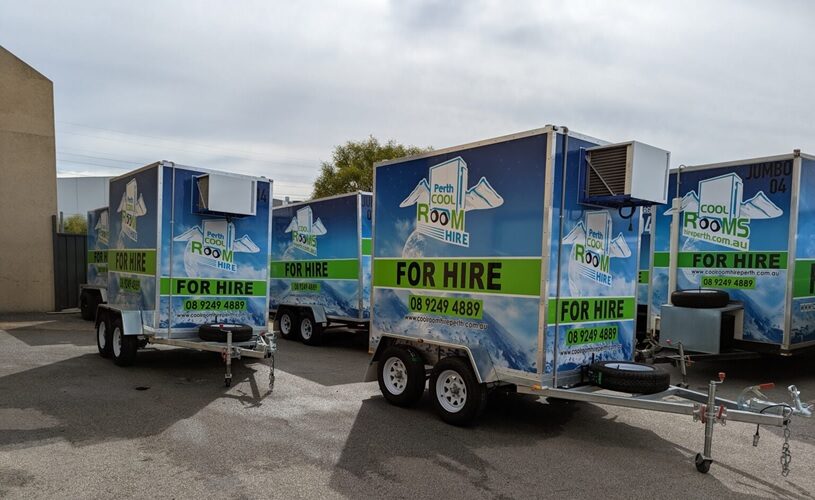
The expert’s guide to seamless freezer room hire in Perth for any occasion

Planning an event, managing a business, or facing an unexpected refrigeration breakdown? Finding reliable solutions can be a real headache. That’s where understanding your options for secure and efficient cold storage becomes essential. For many, temporary solutions like mobile freezer rooms are a game-changer.

Whether you’re catering a large outdoor event, running a bustling restaurant, or need extra space during peak season, knowing where to turn for dependable freezer room Hire Perth is crucial. This guide will walk you through everything you need to know about freezer room hire, ensuring your goods stay perfectly chilled, no matter the circumstances.

Why consider freezer room hire?

Freezer room hire offers a flexible and cost-effective solution for a wide range of needs. Instead of investing in permanent, expensive infrastructure, you can access top-quality refrigeration on a short-term or long-term basis. This adaptability is particularly valuable in Perth’s dynamic business environment.

Benefits of hiring a freezer room

There are numerous advantages to choosing freezer room hire over other solutions. Let’s explore some key benefits:

  • Cost-effectiveness: Avoid the significant upfront investment and ongoing maintenance costs associated with purchasing a freezer room. Hiring allows you to pay only for what you need, when you need it.
  • Flexibility: Scale your refrigeration capacity up or down as required. This is ideal for seasonal businesses, events, or temporary storage needs.
  • Convenience: Professional hire companies handle delivery, setup, and maintenance, freeing you to focus on your core business.
  • Reliability: Reputable hire companies provide modern, well-maintained equipment, ensuring consistent temperature control and minimizing the risk of breakdowns.
  • Space saving: Temporary freezer rooms eliminate the need for permanent space allocation, which can be a major advantage for businesses with limited premises.

Situations where freezer room hire is ideal

Freezer room hire isn’t just a good idea; sometimes, it’s the *only* practical solution. Consider these scenarios:

  • Outdoor events and festivals: Keep food and beverages chilled for attendees, ensuring safety and quality.
  • Catering businesses: Manage fluctuating demand and maintain optimal storage conditions for ingredients and prepared meals.
  • Restaurants and cafes: Provide extra storage during peak seasons or for special events.
  • Butchers and seafood suppliers: Preserve perishable goods and maintain consistent temperatures to meet health regulations.
  • Emergency refrigeration breakdowns: Quickly replace a failed freezer room to prevent spoilage and minimize business disruption.
  • Pharmaceutical storage: Maintain precise temperature control for sensitive medications and vaccines.

Factors to consider when choosing freezer rooms Perth

Selecting the right freezer room involves more than just finding the cheapest option. You need to consider several factors to ensure it meets your specific requirements and provides reliable performance. Let’s break down the key considerations.

Size and capacity

Accurately assessing your storage needs is the first crucial step. Consider the volume of goods you need to store and the dimensions of the items. It’s better to overestimate slightly than to run out of space. Think about accessibility too- can you easily load and unload your products?

Temperature control

Different products require different storage temperatures. Ensure the freezer room can maintain the specific temperature range you need. Look for models with precise temperature control and reliable monitoring systems. A stable temperature is vital for preserving the quality and safety of your goods.

Power requirements

Check the power requirements of the freezer room and ensure your site can accommodate them. Consider both the voltage and amperage needed. If you’re hiring for an outdoor event, you may need to arrange for a generator. Don’t underestimate this aspect; insufficient power can lead to breakdowns and spoiled goods.

Mobility and placement

Consider how easily the freezer room can be moved and placed on your site. Are there any access restrictions? Does the ground need to be level? Think about proximity to power sources and loading areas. Proper placement will streamline your operations and minimize logistical challenges.

Hygiene and sanitation

Ensure the freezer room is clean, well-maintained, and meets all relevant health and safety standards. Look for features like easy-to-clean surfaces and effective drainage systems. A hygienic environment is essential for preventing contamination and ensuring food safety.

Finding the right freezer room hire perth provider

Choosing the right hire company is just as important as choosing the right freezer room. A reputable provider will offer reliable equipment, excellent service, and peace of mind. Here’s how to find the best fit for your needs.

Research and compare

Start by researching different hire companies in Perth. Read online reviews, check their websites, and compare their offerings. Look for companies with a proven track record, positive customer feedback, and a wide range of freezer room options. Don’t settle for the first option you find; take the time to explore your choices.

Check their fleet

Inspect the company’s fleet of freezer rooms. Are they modern, well-maintained, and regularly serviced? Do they offer different sizes and configurations to suit your needs? A well-maintained fleet is a sign of a professional and reliable hire company.

Ask about service and support

Enquire about the company’s service and support policies. Do they offer 24/7 emergency support? Do they provide delivery, setup, and maintenance services? A responsive and helpful support team can be invaluable, especially in case of unexpected issues.

Consider the cost

While cost shouldn’t be the only factor, it’s important to get a clear understanding of the hire charges. Ask for a detailed quote that includes delivery, setup, maintenance, and any other applicable fees. Compare quotes from different companies to ensure you’re getting a fair price. Remember, the cheapest option isn’t always the best; prioritize value and reliability.

Read the fine print

Carefully review the hire agreement before signing. Pay attention to the terms and conditions, including cancellation policies, damage liability, and insurance requirements. Understanding your obligations will prevent misunderstandings and potential disputes down the line.

Preparing for your freezer room delivery

Once you’ve chosen your freezer room and hire provider, proper preparation is key to a smooth delivery and setup. Here are some essential steps to take.

Clear the site

Ensure the delivery site is clear of any obstructions. Remove any vehicles, equipment, or debris that could hinder the delivery truck. A clear path will ensure a safe and efficient delivery process. Consider potential overhead obstructions as well.

Ensure level ground

The freezer room needs to be placed on a level surface. If the ground is uneven, you may need to level it with gravel or shims. An unlevel surface can cause the freezer room to malfunction and compromise its efficiency. Accurate levelling is crucial for optimal performance.

Provide adequate access

Make sure there’s adequate access for the delivery truck and personnel. Consider the width and height of the access points, and ensure there are no low-hanging branches or other obstacles. Restricted access can lead to delays and additional costs.

Arrange for power

Ensure you have a suitable power source readily available near the installation site. Check the voltage and amperage requirements of the freezer room and confirm your power supply can meet them. If necessary, arrange for a qualified electrician to connect the freezer room to the power source. Proper electrical connections are essential for safe and reliable operation.

Communicate with the hire company

Maintain open communication with the hire company throughout the delivery process. Confirm the delivery date and time, and provide them with any relevant information about the site. Clear communication will help prevent misunderstandings and ensure a seamless delivery experience.

Maintaining your hired freezer room

Once your freezer room is installed and operational, proper maintenance is essential to ensure its continued performance and reliability. Follow these tips to keep it running smoothly.

Regular cleaning

Clean the interior of the freezer room regularly to prevent the build-up of ice and bacteria. Use a mild detergent and warm water, and avoid harsh chemicals that could damage the surfaces. Regular cleaning will maintain hygiene and prevent odours.

Monitor the temperature

Check the temperature regularly to ensure it’s within the desired range. Use a calibrated thermometer to verify the accuracy of the built-in temperature gauge. Promptly address any temperature fluctuations to prevent spoilage. Consistent temperature monitoring is critical for preserving the quality of your goods.

Avoid overloading

Do not overload the freezer room, as this can restrict airflow and reduce its efficiency. Leave sufficient space between items to allow for proper circulation. Overloading can also put strain on the cooling system and lead to breakdowns. Proper loading techniques will optimize performance and extend the lifespan of the equipment.

Report any issues

Promptly report any issues or malfunctions to the hire company. Do not attempt to repair the freezer room yourself, as this could void the warranty and potentially cause further damage. The hire company will have qualified technicians who can diagnose and resolve any problems quickly and efficiently.

Frequently asked questions about freezer room hire

Still have questions? Here are some frequently asked questions to help you make an informed decision.

How much does it cost to hire a freezer room?

The cost of freezer room hire varies depending on several factors, including the size of the unit, the duration of the hire, and the location. Contact several suppliers for quotes to find the best deal.

What size freezer room do i need?

Consider the volume and dimensions of the items you need to store. It’s always better to slightly overestimate to ensure you have enough space. A hire company can help you assess your needs.

Do i need a special power supply?

Freezer rooms typically require a standard power supply, but it’s important to check the specific requirements of the unit you’re hiring. Ensure your site can provide the necessary voltage and amperage.

Who is responsible for maintenance and repairs?

The hire company is usually responsible for maintenance and repairs. However, you’re responsible for using the freezer room correctly and reporting any issues promptly.

Can I hire a freezer room for a single day?

Yes, many companies offer short-term hire options, including daily rentals. This is ideal for events or temporary storage needs. Discuss your requirements with the hire company to find a suitable solution.

read more