

close

March 2026

Entertainment

Capturing Life’s Moments: The Art and Importance of a Family Portrait Photographer

Family photographs have long been cherished as a way to preserve memories, celebrate relationships, and document life’s special milestones. From traditional studio portraits to outdoor lifestyle sessions, family photography continues to evolve with creative styles and unique locations. At the center of these meaningful moments is the family portrait photographer, a professional who transforms ordinary moments into lasting visual stories.

Today’s families are seeking more personalized and creative photography experiences. Instead of simple posed portraits, many people choose settings that reflect their personalities, hobbies, or lifestyles. For example, some families who enjoy rural life or equestrian activities may choose a photoshoot with a horse to create a distinctive and memorable portrait session.

Understanding the value of professional family photography helps explain why so many people continue to invest in these meaningful keepsakes.

Why Family Portraits Matter

Family portraits hold emotional value that grows stronger over time. They capture moments that may otherwise fade from memory as children grow older and life moves forward.

A professional family portrait photographer helps families preserve these memories in a way that reflects their unique relationships and personalities. Photographs taken today often become treasured keepsakes that future generations can look back on.

Family portraits serve several important purposes:

  • Celebrating milestones such as birthdays or anniversaries
  • Documenting family growth and changes over time
  • Creating meaningful gifts for relatives
  • Preserving family history through visual storytelling

For many families, photography sessions are also an opportunity to spend quality time together while capturing genuine moments of connection.

The Role of a Family Portrait Photographer

A family portrait photographer does far more than simply take pictures. Their role involves planning, creativity, and the ability to make families feel comfortable in front of the camera.

Before the session begins, photographers often discuss ideas with the family to understand their preferences and goals for the photos. This may include choosing locations, selecting outfits, or planning creative themes.

During the session, the photographer guides families through poses and interactions that create natural expressions and authentic emotions.

Professional photographers also use lighting, composition, and editing techniques to ensure that each image reflects the best possible quality.

These skills help transform everyday moments into beautiful visual memories.

Choosing the Perfect Location

Location plays an important role in creating memorable family portraits. Many families prefer outdoor settings because natural landscapes add warmth and authenticity to photographs.

Popular locations may include parks, beaches, gardens, or countryside areas. Some families also choose settings that reflect their hobbies or lifestyles.

For example, families involved in equestrian activities often choose a photoshoot with horse to showcase their connection with animals and rural living. Horses add a unique and elegant element to family portraits while highlighting shared passions.

A skilled family portrait photographer understands how to work with natural environments and animals to create balanced and visually striking images.

Preparing for a Family Photo Session

Preparation is an important part of ensuring a successful photo session. Families often spend time planning outfits and coordinating colors so that the group appears harmonious in the final images.

Clothing choices should complement the environment and reflect the family’s personal style. Neutral tones or soft color palettes often photograph well and help keep the focus on the people in the portrait.

For families planning a photoshoot with a horse, additional preparation may be necessary. Ensuring the horse is comfortable, well-groomed, and familiar with the environment can help create a calm and enjoyable session.

An experienced family portrait photographer can guide families through these preparations to ensure everything runs smoothly on the day of the shoot.

Creating Natural and Authentic Moments

One of the most important skills a photographer brings to a family session is the ability to capture genuine emotions. Instead of relying solely on formal poses, many photographers encourage natural interaction among family members.

Activities such as walking, playing, or sharing a conversation can create authentic expressions that feel more relaxed and meaningful.

In a photoshoot with a horse, these interactions may include gentle moments such as walking beside the horse, brushing its mane, or standing together in a peaceful outdoor setting.

A talented family portrait photographer observes these interactions and captures the subtle moments that reflect the true personality of the family.

The Growing Popularity of Lifestyle Photography

Modern family photography often focuses on lifestyle imagery rather than strictly posed portraits. Lifestyle photography aims to capture families in natural environments while highlighting everyday interactions.

This style allows photographers to tell a story through images rather than simply documenting appearances.

A family portrait photographer may suggest incorporating meaningful elements such as pets, hobbies, or favorite outdoor locations.

For example, a photoshoot with a horse can create a unique narrative that reflects a family’s lifestyle and personal interests.

Lifestyle photography continues to grow in popularity because it produces images that feel authentic and emotionally engaging.

Preserving Memories for Future Generations

Family photographs become more valuable as time passes. Years later, these images serve as reminders of special moments, family connections, and shared experiences.

A professional family portrait photographer helps create high-quality images that can be preserved and displayed for decades.

These portraits often become part of family traditions, appearing in photo albums, framed displays, or digital collections.

Creative sessions, such as a photoshoot with a horse, add even more personality to these memories by capturing meaningful aspects of family life.

These photographs become visual stories that future generations can appreciate and learn from.

Tips for a Successful Family Portrait Experience

Families who want to create beautiful portraits can benefit from a few simple tips.

First, choosing a relaxed and comfortable environment helps everyone feel more natural during the session. Outdoor locations or meaningful settings often work best.

Second, planning ahead for wardrobe coordination and timing can make the session smoother.

Third, working with an experienced family portrait photographer ensures that lighting, composition, and timing are carefully managed.

Finally, embracing spontaneity can lead to some of the most memorable images. Unexpected moments of laughter or interaction often become the most cherished photographs.

For families planning a photoshoot with a horse, patience and flexibility are especially helpful since animals can sometimes behave unpredictably.

Family portraits are powerful reminders of the relationships and moments that shape our lives. A skilled family portrait photographer helps transform everyday interactions into lasting works of art that preserve these memories for years to come.

As photography styles continue to evolve, families are increasingly embracing creative and personalized sessions that reflect their unique lifestyles. Unique settings, such as a photoshoot with a horse, provide opportunities to capture meaningful experiences in beautiful and memorable ways.

By investing in professional family photography, families create visual legacies that celebrate their bonds and preserve moments that might otherwise be forgotten.

read more
Nightclub

The Business Side of Running a Successful Nightclub

The public perception of a successful nightclub is typically defined by long lines outside the door, packed dance floors, celebrity appearances, and high-energy music. To an outsider, the venue looks like a highly profitable engine that generates revenue almost effortlessly. However, behind the glamorous facade lies one of the most volatile, legally complex, and operationally demanding business models in the hospitality industry.

Running a profitable nightclub requires a sharp transition from the mindset of hosting an ongoing party to mastering strict corporate governance. A nightclub is fundamentally an asset-heavy retail operation that deals in highly perishable inventory, shifting consumer trends, strict regulatory oversight, and complex labor management. Surviving past the critical two-year mark requires an ironclad grasp of microscopic margin management, strategic risk mitigation, structured brand positioning, and optimized supply chain logistics.

Real Estate Acquisition and the Complexities of Licensing

Before a venue can soundcheck its audio system, the business must navigate an intricate matrix of municipal zoning laws, local politics, and real estate negotiations. The physical location of a nightclub dictates its target demographic, logistical access, and long-term regulatory vulnerability.

Navigating the Municipal Maze

Securing a commercial space for a high-volume nightlife concept requires careful due diligence. Nightclubs require a specific combination of properties that are distinct from standard restaurants or retail stores.

  • Zoning and Conditional Use Permits: Most cities restrict late-night entertainment concepts to specific industrial or designated commercial zones to protect residential neighborhoods from noise and crowds. Acquiring a conditional use permit often involves lengthy public hearings where neighboring residents and business owners can protest the establishment.

  • The Valuation of the Liquor License: A liquor license is the absolute lifeblood of a nightclub. In many states and cities, local governments enforce strict quotas on the total number of licenses issued per district. Consequently, a license must often be purchased on the open secondary market, sometimes costing hundreds of thousands of dollars. Business plans must account for this massive upfront capital expenditure long before the first dollar of operating revenue is realized.

Building Lease Agreements with Safety Nets

Because the build-out of a high-tech entertainment venue requires substantial capital investments in soundproofing, structural reinforcement, and specialized plumbing, the commercial lease must protect the tenant. Savvy operators negotiate long-term leases, typically ten to fifteen years, with fixed renewal options. Furthermore, leases should include a contingency clause stating that the agreement is null and void if the municipal government denies the necessary liquor license or operating permits, protecting the ownership group from catastrophic financial liabilities.

The Economics of Beverage Cost Control and Inventory Management

While admission fees help offset entertainment and security payroll, the overwhelming majority of a nightclub’s net profit margin is generated through beverage operations. Alcohol sales carry exceptionally high gross profit margins, but these margins can evaporate quickly through theft, over-pouring, and waste.

Implementing Rigorous Perpetual Inventory Systems

Unlike standard restaurants where inventory moves predictably across a kitchen line, a high-volume nightclub bar operates at a chaotic, hyper-accelerated pace. In a dark, loud environment, managing inventory requires automated, data-driven systems.

  • Liquor Pour Cost Dynamics: The target pour cost for a well-managed nightclub sits between fifteen and twenty percent of retail sales. This means that if a cocktail sells for fifteen dollars, the cost of the liquid, ice, and garnish should not exceed three dollars.

  • Real-Time Tracking and Weight Auditing: Top-performing venues move away from manual visual inspections. Instead, they deploy digital inventory management systems that use precision smart scales to weigh open bottles at the conclusion of every shift. This raw weight data is automatically cross-referenced against the point-of-sale data to identify discrepancies down to the exact ounce.

Mitigating Internal Shrinkage

Internal variance, commonly known as shrinkage, is the quiet killer of nightlife profitability. It includes bartenders giving away unauthorized complimentary drinks to personal friends, pockets of outright cash theft, and chronic over-pouring to secure higher cash tips. Operators combat this by enforcing strict pouring protocols, such as mandatory use of precise measuring jiggers or electronic portion-control spouts, alongside extensive camera surveillance overlapping cash handling areas.

Talent Curation, Programming, and Variable Cost Models

The core product a nightclub sells is an emotional experience, and that experience is heavily dictated by its programming. A major business challenge is balancing fixed operating costs against the highly volatile, variable costs of talent acquisition.

The Financial Risk of Headliner Booking

Relying on big-name artists or globally recognized music producers to drive foot traffic is a high-risk, capital-intensive strategy. These artists demand immense guarantee fees up front, often requiring fifty percent deposits months before the calendar date. If a venue overpays for talent and fails to sell out its admission tickets or meet its expected beverage minimums, a single poorly attended weekend night can wipe out an entire month of operational profit.

Structuring Dynamic Pricing and VIP Architecture

To stabilize revenue, successful nightclubs shift away from flat entry fees in favor of dynamic pricing algorithms that adapt to real-time demand, much like airlines or rideshare applications. Early bird digital ticketing rewards early buyers, while door admission prices escalate rapidly as the venue approaches maximum fire-code capacity.

Furthermore, a club’s interior square footage must be heavily optimized for premium table service, often referred to as bottle service. This business model sells exclusivity, security, and prestige. A premium table layout can occupy less than twenty percent of the physical footprint while generating over fifty percent of the venue’s total nightly beverage revenue, balancing out the lower margins of the general admission dance floor.

Risk Management, Liability, and Life-Safety Protocols

From a legal and operational standpoint, a nightclub is an environment packed with high liability. Managing hundreds of intoxicated patrons under low lighting requires comprehensive insurance portfolios and militaristic security protocols.

The Role of Comprehensive Security Architecture

Security staff are not merely physical enforcers; they are trained risk-mitigation assets who safeguard the company’s operational permits. A single violent incident, a documented case of underage drinking, or a fire-capacity violation can result in immediate license suspension or permanent closure by state authorities.

  • Vetting and Continuous Training: Internal security personnel must undergo continuous training in crowd control mechanics, verbal de-escalation techniques, and local liability laws. Every incident, no matter how minor, must be logged in a standardized digital system to protect the corporation against future personal injury lawsuits.

  • Advanced Entrance Verification: To completely eliminate the risk of underage consumption, modern venues utilize high-speed digital identification scanners linked to centralized databases. These tools spot sophisticated counterfeit documents and catalog every individual inside the facility, establishing a clear forensic paper trail if an incident occurs.

Navigating Dram Shop Laws and Insurance Portfolios

In the United States, commercial venues are subject to strict Dram Shop legislation. These laws dictate that an establishment can be held civilly liable if they continue to serve alcohol to an obviously intoxicated person who subsequently leaves the property and causes injury or death to a third party. To buffer against multi-million-dollar lawsuits, clubs carry robust general liability policies, liquor liability insurance, and specialized assault and battery endorsements.

Frequently Asked Questions

What is the average net profit margin for a successfully run nightclub?

For a well-optimized, successful nightclub, the net profit margin typically ranges between fifteen and twenty-five percent of gross revenue. While the gross margin on alcohol sales is exceptionally high, often exceeding eighty percent, the net profit is heavily constrained by immense overhead costs. These ongoing costs include high commercial rent, steep liability insurance premiums, entertainment talent fees, intensive security payroll, utilities, and continuous marketing expenses.

How do nightclubs calculate and manage their maximum occupant capacity safely?

Maximum occupant capacity is strictly calculated by local fire marshals based on the available square footage of the public areas, the total number of physical exit doors, and the width of corridors. Venue operators manage this capacity in real time by using electronic clickers or digital ticketing check-ins at all entrances and exits. Exceeding this code capacity can result in immediate, severe financial penalties from municipal inspectors, or the forced evacuation of the building during operation.

Why do some nightclubs deliberately keep their venues dark and cold?

Darkness and cool ambient temperatures serve practical operational functions. Dim lighting masks the inevitable physical wear and tear on surfaces, hides spilled drinks, and helps patrons feel less self-conscious, which encourages social interaction and dancing. Cool air conditioning counteracts the intense body heat generated by hundreds of people packed closely together on a dance floor, keeping the environment safe and preventing heat exhaustion among active dancers.

What is a promoter contract, and how do venues prevent promoters from taking advantage of them?

A promoter contract is an agreement where an independent marketer is hired to bring a specific crowd to the venue in exchange for a percentage of the door admission or a cut of the bar sales. To prevent exploitation, clubs structure these contracts with performance-based tiers. Promoters only receive their maximum payouts if they meet pre-determined minimum targets for bar revenue or total attendance. Operators also retain strict control over the door staff, ensuring that all guest lists are audited transparently through the club’s own tracking software.

How do clubs handle cash management safely at the end of a high-volume shift?

To prevent internal theft and protect employees from external robberies, clubs enforce strict cash-handling protocols. Bartenders do not count their own drawers at the main bar; instead, sealed cash drops are sent down secure chutes directly to a central cash room. Two separate managers must count and verify every drawer simultaneously, cross-referencing the physical currency against the digital point-of-sale shift reports. The reconciled cash is then stored in heavy, time-locked drop safes until armored transport vehicles collect the deposits.

What is capitalization, and how much capital reserve is typically recommended before opening a venue?

Capitalization refers to the total amount of money a business has available to fund its launch and ongoing operational expenses. Because nightlife revenue is highly seasonal and subject to unpredictable fluctuations, it is standard industry practice to maintain a cash reserve equal to at least six months of baseline fixed operating costs. This financial cushion allows the venue to meet payroll, pay rent, and fund marketing campaigns during slow seasonal periods or unexpected operational disruptions without facing immediate insolvency.

read more
Nightclub

How Nightclubs Create Unforgettable Social Experiences

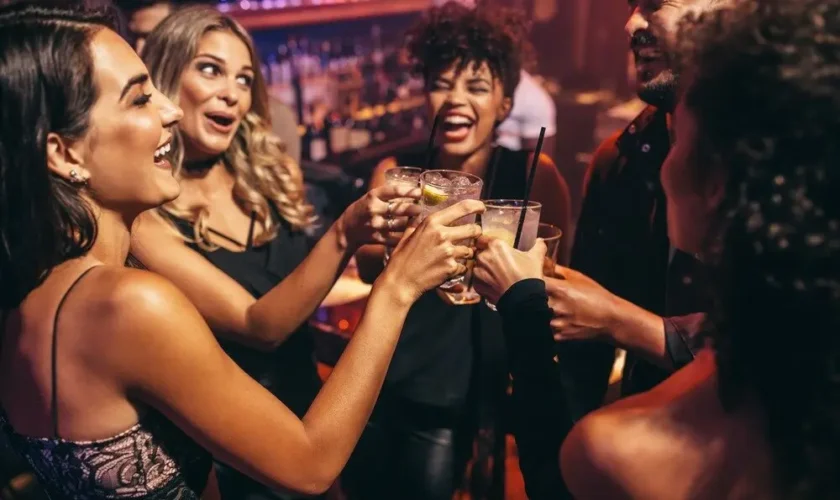
Nightclubs are much more than mere commercial spaces where music plays and drinks are poured. At their core, these venues function as highly engineered environments designed to systematically alter human perception, lower social inhibitions, and foster intense communal connections. While a casual observer might only see a crowd dancing under flashing lights, the reality is a deeply calculated fusion of sensory architecture, social psychology, and operational theater.

The enduring appeal of the nightlife experience rests on its ability to offer a complete escape from the rigid structures of daily life. In an increasingly isolated digital world, nightclubs provide a rare physical sanctuary where individuals can gather to experience a shared, rhythmic reality. By dissecting the precise mechanisms behind sound design, lighting choreography, spatial layout, and crowd dynamics, we can begin to understand how these venues transform an ordinary evening into an unforgettable social memory.

The Architecture of Sound and Acoustic Envelopment

The foundational element of any successful nightclub is its acoustic infrastructure. Sound in a nightlife setting is not designed for passive listening; it is engineered to be a physical, all-encompassing force that dictates the emotional energy of the entire room.

Visceral Audio Engineering

World-class nightlife venues invest heavily in custom, high-fidelity sound systems that distribute acoustic energy evenly throughout the space. Sound technicians position speaker arrays to deliver crisp high frequencies alongside deep, sub-bass pressure that resonates physically within the chests of the patrons. This visceral impact is a critical component of the experience. Low-frequency bass notes stimulate the vestibular system, triggering a primitive physiological response that increases heart rates, elevates adrenaline levels, and encourages natural physical movement.

The Acoustic Boundary and Social Freedom

The sheer volume and density of a nightclub soundscape serve a profound social function: it creates an artificial layer of privacy within a massive crowd. In a high-volume environment, normal ambient conversations are completely masked beyond a distance of a few feet. This sonic barrier eliminates the self-consciousness of being overheard by strangers, allowing individuals to speak intimately, laugh freely, and dance without the fear of external judgment. The sound acts as a protective shield, transforming a public room into a series of private, uninhibited interactions.

Visual Choreography and the Manipulation of Time

Lighting and visual effects in a nightclub do not simply illuminate the space; they actively manipulate how the human brain perceives time, geography, and social hierarchy.

Synchronized Sensory Entrainment

The visual landscape of a venue is carefully managed by a lighting director who works in perfect synchronization with the performing disc jockey. This synchronization relies on a psychological concept known as sensory entrainment, where the human nervous system aligns its internal rhythm with external optical and auditory stimuli.

  • The Build-up: During slow, melodic segments of a musical track, the lighting scheme utilizing warm, ambient hues and slow, sweeping movements creates a sense of anticipation and intimacy.

  • The Drop: When the music reaches its peak, the immediate transition to rapid strobe bursts, intense laser lines, and cool color palettes triggers a massive release of endorphins and dopamine across the dance floor.

Escapism Through Darkness and Illumination

Nightclubs deliberately minimize natural exterior light and clocks to induce a state of temporal distortion. By isolating the audience from the outside world’s markers of time, the venue creates a vacuum where the past and future become irrelevant. The strategic use of shadows and darkness also diminishes personal insecurities. Under the soft, forgiving glow of colored lights, physical flaws disappear, social anxieties melt away, and individuals feel more confident interacting with those around them.

Spatial Design and the Friction of Interaction

The layout of a premier nightclub is never accidental. Architects and hospitality designers structure the physical pathways, bars, and lounges to maximize accidental social encounters and manage the flow of human movement.

Intentionally Orchestrated Bottlenecks

While efficient crowd flow is important for safety, designers deliberately incorporate localized friction points into the club’s layout. Areas such as the main bar access points, the edges of the dance floor, and the transition corridors between different musical rooms are intentionally structured to slow down foot traffic. These organized bottlenecks force patrons to stand close together, rub shoulders, and make brief eye contact. In a nightlife setting, these minor, accidental physical interactions serve as natural catalysts for casual conversation, flirtation, and spontaneous socialization.

The Contrast of Sensory Zones

An unforgettable venue recognizes that human beings cannot sustain peak levels of sensory stimulation for hours without experiencing exhaustion. Therefore, successful clubs use a multi-tiered spatial strategy:

  • The Epicenter: The main dance floor features high volume, dense crowds, and intense lighting, maximizing collective energy and physical immersion.

  • The Decompression Lounges: Peripheral seating areas, outdoor courtyards, or secondary bars feature lower volumes, softer lighting, and comfortable seating. These contrasting zones allow patrons to step away from the intensity, engage in deeper verbal communication, and form meaningful personal connections before returning to the dance floor.

The Psychology of the Crowd and Collective Effervescence

The ultimate measure of a nightclub’s success is its ability to foster a state of collective effervescence—a sociological concept where a community comes together and simultaneously communicates the same thought and participates in the same action.

The Dissolution of Individual Identity

Inside a dense, synchronized crowd, the boundaries of the individual ego begin to blur. As hundreds of people move to the exact same drum beat, breathe the same air, and react to the same visual spectacles, they develop a profound sense of tribal unity. This psychological shift replaces individual isolation with a powerful collective consciousness. Patrons feel connected to a larger, living entity, creating a deep sense of belonging and euphoria that forms the core of an unforgettable night.

Curating the Social Microcosm

The atmosphere inside a club is heavily influenced by the diverse composition of its patrons. Door hosts and hospitality managers act as social curators, balancing the room to ensure a vibrant mix of cultures, styles, and personalities. By bringing together individuals who might never interact within their structured daytime routines, the nightclub functions as a democratic social laboratory where social hierarchies dissolve, and diverse human connections can flourish openly.

Frequently Asked Questions

How do nightclubs use scent to subtly influence consumer behavior and emotional states?

Many premium nightlife venues utilize advanced ambient scent diffusers integrated directly into their HVAC systems to mask the natural smells of sweat and alcohol. Designers typically select crisp, energizing aromas like citrus, mint, or lemongrass for the main dance floors to keep patrons alert and active. Conversely, they deploy warm, sophisticated scents like vanilla, amber, or sandalwood in VIP lounges and seating areas to induce relaxation, prolong stays, and encourage premium beverage consumption.

What is the role of a nightclub’s acoustic treatment beyond just buying loud speakers?

Acoustic treatment is the installation of specialized materials like foam panels, bass traps, and heavy drapery to control how sound waves bounce off physical surfaces. Without proper treatment, sound reflects off concrete walls and glass bars, creating a chaotic echo that distorts the music and causes intense ear fatigue. Proper acoustic balancing ensures that the music remains crystal clear, powerful, and clean, allowing patrons to enjoy high volumes for hours without developing headaches or hearing discomfort.

Why do some venues implement strict phone bans on their dance floors?

Strict phone bans are growing in popularity to preserve the core values of presence and privacy. When patrons are constantly recording video clips for social media, it fractures the collective energy of the room and makes other dancers self-conscious about their appearance. By removing digital screens from the dance floor, venues force individuals to engage fully with the immediate physical environment, protecting the uninhibited, carefree nature of the social experience.

How does the concept of premium premium seating affect the social dynamic of the general crowd?

Premium seating and VIP sections create a distinct aspirational layer within the venue’s social architecture. By dividing the space into accessible and restricted zones, clubs play into human desires for status, privacy, and exclusivity. For the general crowd, watching the high-energy interactions within these elevated zones adds a layer of visual entertainment and theatrical prestige, enhancing the overall perception of the event as an elite, high-stakes social gathering.

What psychological tactics do clubs use to manage long entry lines outside the venue?

Nightclub operators view the exterior queue as a vital piece of marketing theater. A long, orderly line signals high demand and exclusivity to passersby, increasing the perceived value of the experience inside. To prevent frustration from turning into aggression, venues use structural line barriers, keep the entrance highly illuminated to maintain a sense of order, and deploy charismatic security personnel to interact with guests, establishing a professional tone before anyone enters the building.

How do modern venues leverage biometric technology to improve safety without disrupting the guest experience?

Advanced venues are increasingly integrating encrypted biometric entry systems, such as fingerprint or quick facial scans, into their pre-registered ticketing applications. This technology allows high-volume venues to verify guest identities and check against safety databases instantly, eliminating long processing bottlenecks at the gate. By automating security verification, the club keeps the entrance smooth and stress-free, ensuring guests transition into a relaxed state of mind immediately upon arrival.

read more