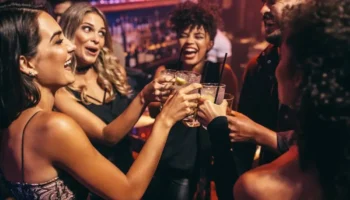

Nightclubs are much more than mere commercial spaces where music plays and drinks are poured. At their core, these venues function as highly engineered environments designed to systematically alter human perception, lower social inhibitions, and foster intense communal connections. While a casual observer might only see a crowd dancing under flashing lights, the reality is a deeply calculated fusion of sensory architecture, social psychology, and operational theater.
The enduring appeal of the nightlife experience rests on its ability to offer a complete escape from the rigid structures of daily life. In an increasingly isolated digital world, nightclubs provide a rare physical sanctuary where individuals can gather to experience a shared, rhythmic reality. By dissecting the precise mechanisms behind sound design, lighting choreography, spatial layout, and crowd dynamics, we can begin to understand how these venues transform an ordinary evening into an unforgettable social memory.
The Architecture of Sound and Acoustic Envelopment
The foundational element of any successful nightclub is its acoustic infrastructure. Sound in a nightlife setting is not designed for passive listening; it is engineered to be a physical, all-encompassing force that dictates the emotional energy of the entire room.
Visceral Audio Engineering
World-class nightlife venues invest heavily in custom, high-fidelity sound systems that distribute acoustic energy evenly throughout the space. Sound technicians position speaker arrays to deliver crisp high frequencies alongside deep, sub-bass pressure that resonates physically within the chests of the patrons. This visceral impact is a critical component of the experience. Low-frequency bass notes stimulate the vestibular system, triggering a primitive physiological response that increases heart rates, elevates adrenaline levels, and encourages natural physical movement.
The Acoustic Boundary and Social Freedom
The sheer volume and density of a nightclub soundscape serve a profound social function: it creates an artificial layer of privacy within a massive crowd. In a high-volume environment, normal ambient conversations are completely masked beyond a distance of a few feet. This sonic barrier eliminates the self-consciousness of being overheard by strangers, allowing individuals to speak intimately, laugh freely, and dance without the fear of external judgment. The sound acts as a protective shield, transforming a public room into a series of private, uninhibited interactions.
Visual Choreography and the Manipulation of Time
Lighting and visual effects in a nightclub do not simply illuminate the space; they actively manipulate how the human brain perceives time, geography, and social hierarchy.
Synchronized Sensory Entrainment
The visual landscape of a venue is carefully managed by a lighting director who works in perfect synchronization with the performing disc jockey. This synchronization relies on a psychological concept known as sensory entrainment, where the human nervous system aligns its internal rhythm with external optical and auditory stimuli.
-
The Build-up: During slow, melodic segments of a musical track, the lighting scheme utilizing warm, ambient hues and slow, sweeping movements creates a sense of anticipation and intimacy.
-
The Drop: When the music reaches its peak, the immediate transition to rapid strobe bursts, intense laser lines, and cool color palettes triggers a massive release of endorphins and dopamine across the dance floor.
Escapism Through Darkness and Illumination
Nightclubs deliberately minimize natural exterior light and clocks to induce a state of temporal distortion. By isolating the audience from the outside world’s markers of time, the venue creates a vacuum where the past and future become irrelevant. The strategic use of shadows and darkness also diminishes personal insecurities. Under the soft, forgiving glow of colored lights, physical flaws disappear, social anxieties melt away, and individuals feel more confident interacting with those around them.
Spatial Design and the Friction of Interaction
The layout of a premier nightclub is never accidental. Architects and hospitality designers structure the physical pathways, bars, and lounges to maximize accidental social encounters and manage the flow of human movement.
Intentionally Orchestrated Bottlenecks
While efficient crowd flow is important for safety, designers deliberately incorporate localized friction points into the club’s layout. Areas such as the main bar access points, the edges of the dance floor, and the transition corridors between different musical rooms are intentionally structured to slow down foot traffic. These organized bottlenecks force patrons to stand close together, rub shoulders, and make brief eye contact. In a nightlife setting, these minor, accidental physical interactions serve as natural catalysts for casual conversation, flirtation, and spontaneous socialization.
The Contrast of Sensory Zones
An unforgettable venue recognizes that human beings cannot sustain peak levels of sensory stimulation for hours without experiencing exhaustion. Therefore, successful clubs use a multi-tiered spatial strategy:
-
The Epicenter: The main dance floor features high volume, dense crowds, and intense lighting, maximizing collective energy and physical immersion.
-
The Decompression Lounges: Peripheral seating areas, outdoor courtyards, or secondary bars feature lower volumes, softer lighting, and comfortable seating. These contrasting zones allow patrons to step away from the intensity, engage in deeper verbal communication, and form meaningful personal connections before returning to the dance floor.
The Psychology of the Crowd and Collective Effervescence
The ultimate measure of a nightclub’s success is its ability to foster a state of collective effervescence—a sociological concept where a community comes together and simultaneously communicates the same thought and participates in the same action.
The Dissolution of Individual Identity
Inside a dense, synchronized crowd, the boundaries of the individual ego begin to blur. As hundreds of people move to the exact same drum beat, breathe the same air, and react to the same visual spectacles, they develop a profound sense of tribal unity. This psychological shift replaces individual isolation with a powerful collective consciousness. Patrons feel connected to a larger, living entity, creating a deep sense of belonging and euphoria that forms the core of an unforgettable night.
Curating the Social Microcosm
The atmosphere inside a club is heavily influenced by the diverse composition of its patrons. Door hosts and hospitality managers act as social curators, balancing the room to ensure a vibrant mix of cultures, styles, and personalities. By bringing together individuals who might never interact within their structured daytime routines, the nightclub functions as a democratic social laboratory where social hierarchies dissolve, and diverse human connections can flourish openly.
Frequently Asked Questions
How do nightclubs use scent to subtly influence consumer behavior and emotional states?
Many premium nightlife venues utilize advanced ambient scent diffusers integrated directly into their HVAC systems to mask the natural smells of sweat and alcohol. Designers typically select crisp, energizing aromas like citrus, mint, or lemongrass for the main dance floors to keep patrons alert and active. Conversely, they deploy warm, sophisticated scents like vanilla, amber, or sandalwood in VIP lounges and seating areas to induce relaxation, prolong stays, and encourage premium beverage consumption.
What is the role of a nightclub’s acoustic treatment beyond just buying loud speakers?
Acoustic treatment is the installation of specialized materials like foam panels, bass traps, and heavy drapery to control how sound waves bounce off physical surfaces. Without proper treatment, sound reflects off concrete walls and glass bars, creating a chaotic echo that distorts the music and causes intense ear fatigue. Proper acoustic balancing ensures that the music remains crystal clear, powerful, and clean, allowing patrons to enjoy high volumes for hours without developing headaches or hearing discomfort.
Why do some venues implement strict phone bans on their dance floors?
Strict phone bans are growing in popularity to preserve the core values of presence and privacy. When patrons are constantly recording video clips for social media, it fractures the collective energy of the room and makes other dancers self-conscious about their appearance. By removing digital screens from the dance floor, venues force individuals to engage fully with the immediate physical environment, protecting the uninhibited, carefree nature of the social experience.
How does the concept of premium premium seating affect the social dynamic of the general crowd?
Premium seating and VIP sections create a distinct aspirational layer within the venue’s social architecture. By dividing the space into accessible and restricted zones, clubs play into human desires for status, privacy, and exclusivity. For the general crowd, watching the high-energy interactions within these elevated zones adds a layer of visual entertainment and theatrical prestige, enhancing the overall perception of the event as an elite, high-stakes social gathering.
What psychological tactics do clubs use to manage long entry lines outside the venue?
Nightclub operators view the exterior queue as a vital piece of marketing theater. A long, orderly line signals high demand and exclusivity to passersby, increasing the perceived value of the experience inside. To prevent frustration from turning into aggression, venues use structural line barriers, keep the entrance highly illuminated to maintain a sense of order, and deploy charismatic security personnel to interact with guests, establishing a professional tone before anyone enters the building.
How do modern venues leverage biometric technology to improve safety without disrupting the guest experience?
Advanced venues are increasingly integrating encrypted biometric entry systems, such as fingerprint or quick facial scans, into their pre-registered ticketing applications. This technology allows high-volume venues to verify guest identities and check against safety databases instantly, eliminating long processing bottlenecks at the gate. By automating security verification, the club keeps the entrance smooth and stress-free, ensuring guests transition into a relaxed state of mind immediately upon arrival.