
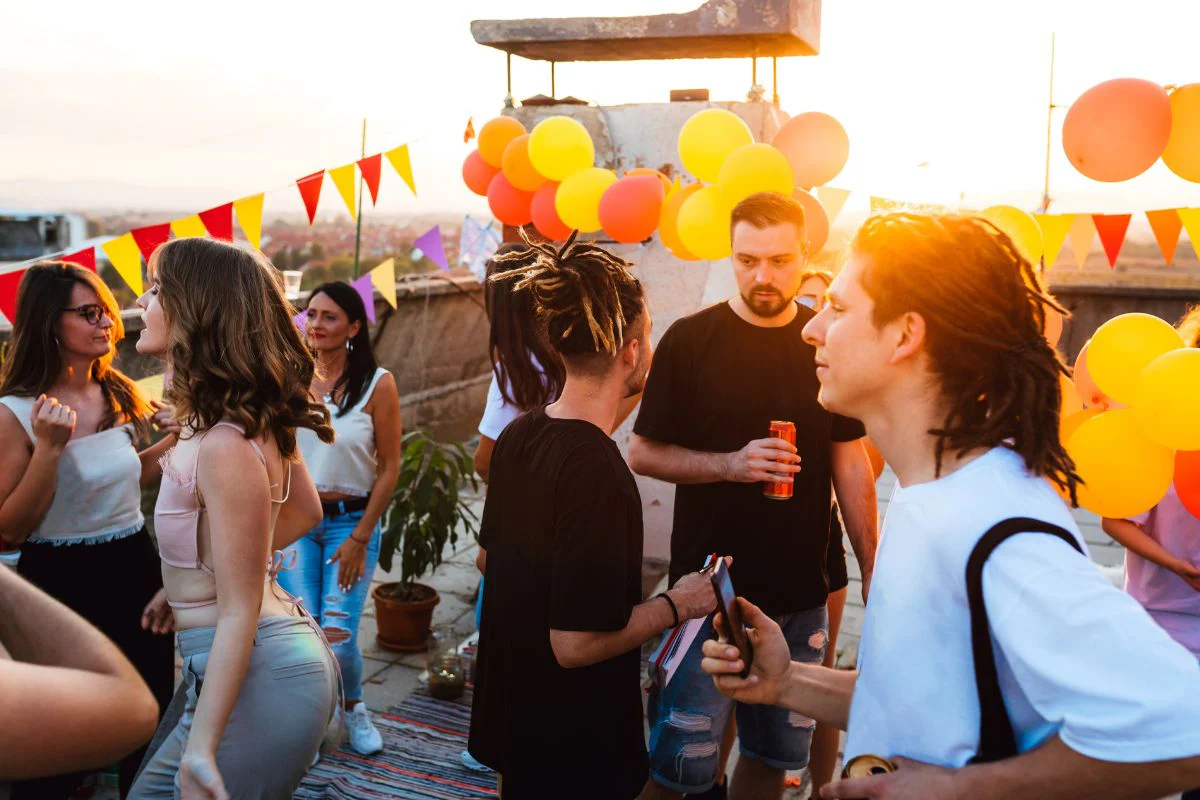
Hosting a gathering that leaves a lasting impression requires moving past traditional, predictable formats. Too often, social events fall into a familiar pattern where guests stand in isolated groups, make polite small talk, and routinely check their phones for an escape. To transform an ordinary get-together into an extraordinary social experience, a host must design an environment that encourages natural interaction, breaks down social barriers, and provides immersive entertainment.
An amazing event relies heavily on structure, shared experiences, and sensory engagement. Whether you are bringing together close friends or a diverse group of strangers, the right conceptual framework changes the entire dynamic of the room. By shifting the focus toward interactive themes, collaborative activities, and creative culinary presentation, you can ensure that every guest feels deeply engaged and thoroughly entertained from the moment they step through the front door.
Interactive Retro Gaming and Nostalgia Lounges
Nostalgia is an incredibly powerful social tool. It instantly establishes common ground among guests, sparking spontaneous conversations and fond childhood memories. Designing a celebration around retro pop culture and classic interactive entertainment provides a built-in icebreaker for individuals of all social circles.
Setting Up the Arcade Zone
Transform a central living area into a functional vintage arcade. Instead of focusing on single-player digital experiences, prioritize cooperative and competitive multiplayer games that encourage active spectatorship and group cheering.
-
Hardware and Emulators: Set up multiple stations featuring classic consoles from the late nineties and early two-thousands. Focus on multiplayer racing titles, rhythm games, and vintage fighting games that are easy for beginners to pick up but highly competitive for experienced players.
-
Aesthetic Integration: Use neon ambient lighting, vintage posters, and a curated soundtrack featuring hit music from the specific era to build an immersive time-machine atmosphere.
Retro Trivia Tournaments
Keep guests engaged by organizing a fast-paced trivia competition focused on nostalgic television shows, historical events, fashion trends, and toys from your target decade. Divide the guest list into random teams to encourage individuals who do not know each other well to collaborate, strategize, and bond over obscure shared knowledge.
Culinary Collaborations and Interactive Tasting Labs
Food and beverages should never be treated as passive background elements at a premier gathering. Instead of serving pre-made platters or ordering standard delivery, transform the dining process into the central entertainment feature of the evening.
The Mixology Chemistry Lab
Create a beautifully structured, self-serve beverage station modeled after a science laboratory or a high-end craft cocktail lounge. Provide guests with precise, printed recipe cards detailing how to construct complex, well-balanced drinks.
-
Ingredients and Equipment: Supply a diverse array of fresh botanical infusions, artisanal bitters, exotic fruit juices, custom simple syrups, and unique garnishes like dehydrated citrus wheels and fresh herbs. Use professional bar tools, glass graduated cylinders, and clear carafes to enhance the presentation.
-
Interactive Innovation: Encourage guests to invent their own signature creations and log their unique recipes on a communal chalkboard. This format sparks continuous conversation as attendees taste, critique, and compare each other’s custom mixtures.
Global Street Food Station Competitions
Instead of a formal sit-down dinner, establish distinct culinary preparation stations representing different global regions, such as a street-taco bar, a customizable ramen station, or an artisanal flatbread assembly line. Provide high-quality raw ingredients, unique sauces, and specialized toppings. To elevate the energy, turn it into a playful competition where guests vote on the most visually creative or flavor-dense plate design of the night.
Immersive Mystery and Collaborative Deduction Evenings
If you want an event that completely eliminates awkward small talk, a structured mystery or interactive deduction game is the ultimate solution. This format gives every individual a specific purpose, a unique narrative objective, and a clear reason to strike up a conversation with everyone else in the room.
Designing the Live-Action Scenario
Move away from rigid board games and opt for a living, breathing theatrical experience. You can choose classic themes like a high-society historical gala, a vintage detective investigation, or a high-stakes futuristic corporate gathering.
-
Character Distribution: Send out character briefs, stylistic clothing suggestions, and hidden objectives to your guests a week before the event. This allows attendees to build anticipation and arrive at the venue already immersed in their assigned identities.
-
Clue Distribution: Conceal vital evidence, hidden letters, and cryptographic riddles throughout the physical venue. Guests must explore the environment, barter for information, form temporary alliances, and interrogate suspects to solve the central mystery before the clock runs out.
The Live Escape Room Experience
If a full character-driven evening feels too complex, convert a single room of your home into a custom escape challenge. Use combination padlocks, hidden keys, blacklight messages, and audio puzzles to create a high-tension, thirty-minute challenge. Grouping guests into small teams forces rapid, high-energy communication and leaves participants with a powerful sense of shared triumph once they break free.
Multi-Sensory Silent Discos and Audio Exploration
Music is the emotional driver of any great celebration, but volume conflicts and differing musical tastes can often fracture a gathering. A silent disco resolves these issues perfectly while introducing a highly entertaining, unique social dynamic.
The Multi-Channel Experience
Provide each guest with high-quality wireless headphones that feature a physical switch to toggle between three distinct, color-coded audio channels. Each channel should represent a vastly different musical style managed by live curators or distinct digital playlists.
-
The Blue Channel: High-energy contemporary dance beats and electronic bass.
-
The Red Channel: Nostalgic rock anthems and sing-along pop classics.
-
The Green Channel: Relaxed ambient grooves, hip-hop, or soul.
The Social Dynamics of Silent Audio
The true magic of a silent disco lies in the visual and social contrast it creates in the room. When a guest removes their headphones, the room is completely quiet except for the sound of shuffling feet and people laughing or singing off-key. This allows individuals who want to engage in deep verbal communication to sit comfortably in the main room and speak at a normal conversational volume without screaming over a blaring sound system. Meanwhile, looking at the dance floor and seeing instantly who is listening to the same channel based on the glowing headphone colors creates a fun, spontaneous tribal bonding experience.
Frequently Asked Questions
How can a host effectively budget for a high-concept interactive party without overspending?
The key to budgeting for a premium gathering is focusing your financial resources on elements that directly drive human interaction, rather than expensive passive decorations. Prioritize spending on high-quality core ingredients for interactive food stations or rental equipment like silent disco headphones. Save money by utilizing smart home lighting to completely change the atmosphere of your existing rooms, and use digital invitation platforms instead of physical printing.
What is the ideal guest count to ensure an interactive mystery or deduction game runs smoothly?
For an immersive live-action mystery event, the ideal guest count generally sits between eight and twenty-four participants. This volume ensures that there are enough distinct characters to create complex social dynamics, hidden alliances, and subplots, without overwhelming the room. If your guest list exceeds twenty-five people, consider assigning late RSVPs as independent investigators or journalists so they can participate fully without disrupting the core narrative structure.
How do you successfully manage a gathering where the guests come from completely different social circles?
To bridge the gap between separate social groups, the host must implement highly structured activities early in the evening. Avoid an open-ended cocktail hour where people naturally cluster into comfortable, familiar groups. Instead, deploy immediate interactive elements like the mixology lab or divide guests into mixed teams for trivia or gaming tournaments the moment they arrive. This breaks the ice immediately and establishes a shared topic of conversation.
What are the essential safety considerations when hosting a self-serve mixology or tasting party?
Safety should always be built directly into the design of your beverage station. Always provide a prominent, equally creative selection of non-alcoholic spirit alternatives, premium tonics, and unique garnishes so that non-drinkers can fully participate in the mixing experience. Additionally, use clear portion-control pourers on all liquor bottles to prevent accidental over-serving, ensure a substantial amount of protein-dense food is easily accessible, and explicitly arrange for designated drivers or rideshare options ahead of time.
How can I adapt an outdoor party concept if the weather unexpectedly turns bad?
Always build a comprehensive indoor contingency plan into your initial planning document. If you are planning an outdoor global food station setup, ensure your kitchen counters and dining tables can easily transition into the indoor equivalents without causing major foot-traffic bottlenecks. If space becomes tight indoors, lean heavily into activities that require minimal physical movement but high mental engagement, such as the retro gaming setup or interactive deduction games.
Why do open-ended parties without a theme or structured activity often fail to engage guests?
Without a clear theme, activity, or structural anchor, a gathering relies entirely on the individual social energy of the attendees to survive. This setup often induces social anxiety, as guests feel immense pressure to continuously initiate and sustain small talk with people they may not know well. A structured activity or interactive culinary element shifts the focus away from the individual, providing a natural, low-pressure conversational topic that automatically engages everyone in the room.